Journal.
Notes on scent, science, and the considered everyday. The thinking behind what we make.
SHOP IN UAE · AE.CRAVISTA.COM →

Notes on scent, science, and the considered everyday. The thinking behind what we make.
Scent Science
Bakhoor is a smoke-based incense burned on charcoal for a strong, far-reaching scent; an essential oil candle releases scent through gentle heat, with no smoke, for a quieter, closer moment.
4 min read · 20 October 2026

Of the citrus oils used in aromatherapy research, bergamot has the most consistent evidence base for mood and stress effects. One study stands out for its design quality and its measured outcomes.
4 min read · 16 June 2026
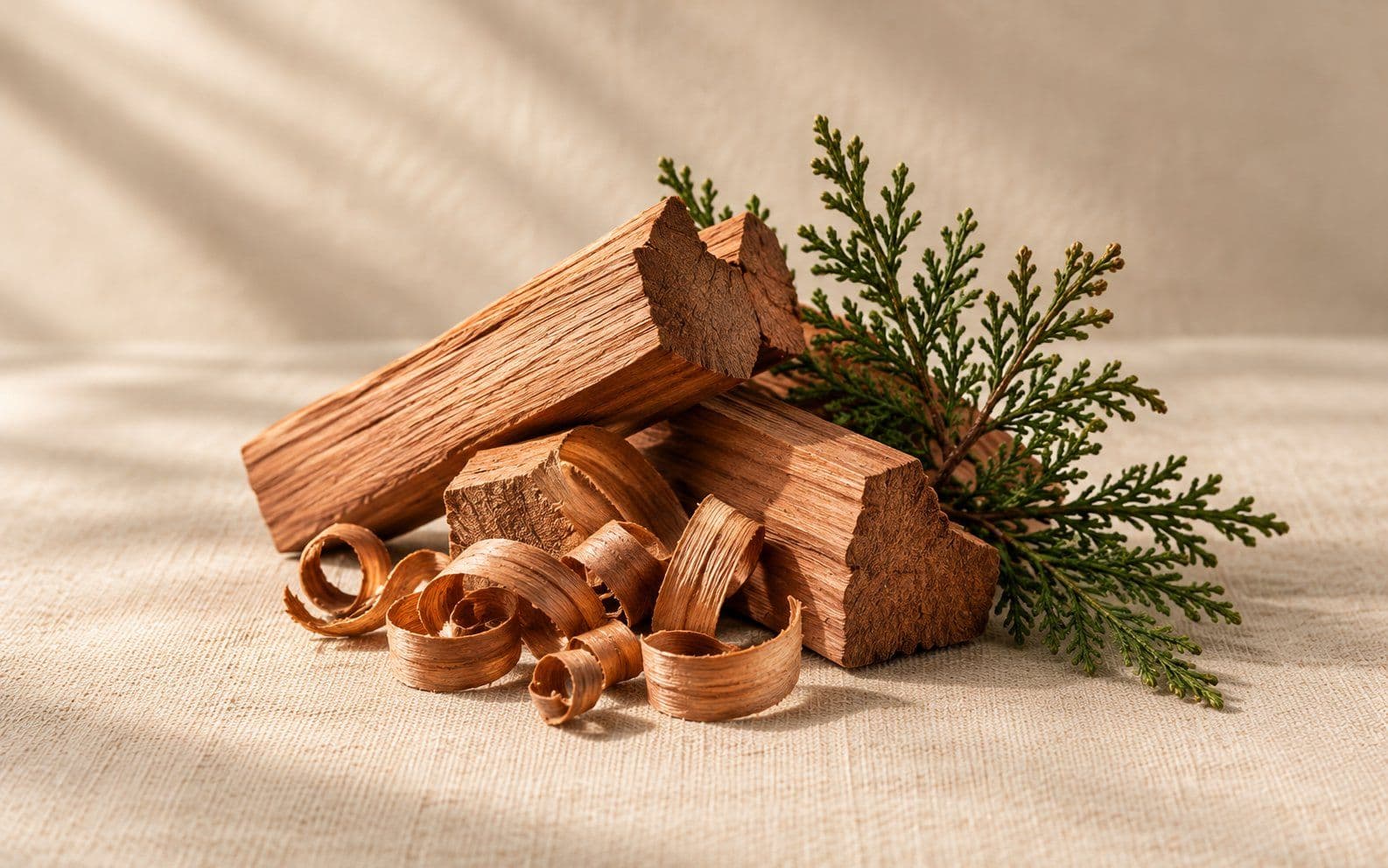
Cedarwood's calming reputation has an identifiable chemistry behind it — and the honest claim is “shifts the body toward rest,” not “a sleep aid.”
3 min read · 8 October 2026
Scent Science
Essential oils are distilled or pressed from plants, so they vary and fade. Fragrance oils are synthetic, built for a stronger, more uniform presence. Here's what that means for a candle.
5 min read · 20 October 2026

Bibliography
Every study cited in the Journal, with plain-language summaries and direct links to the original papers.
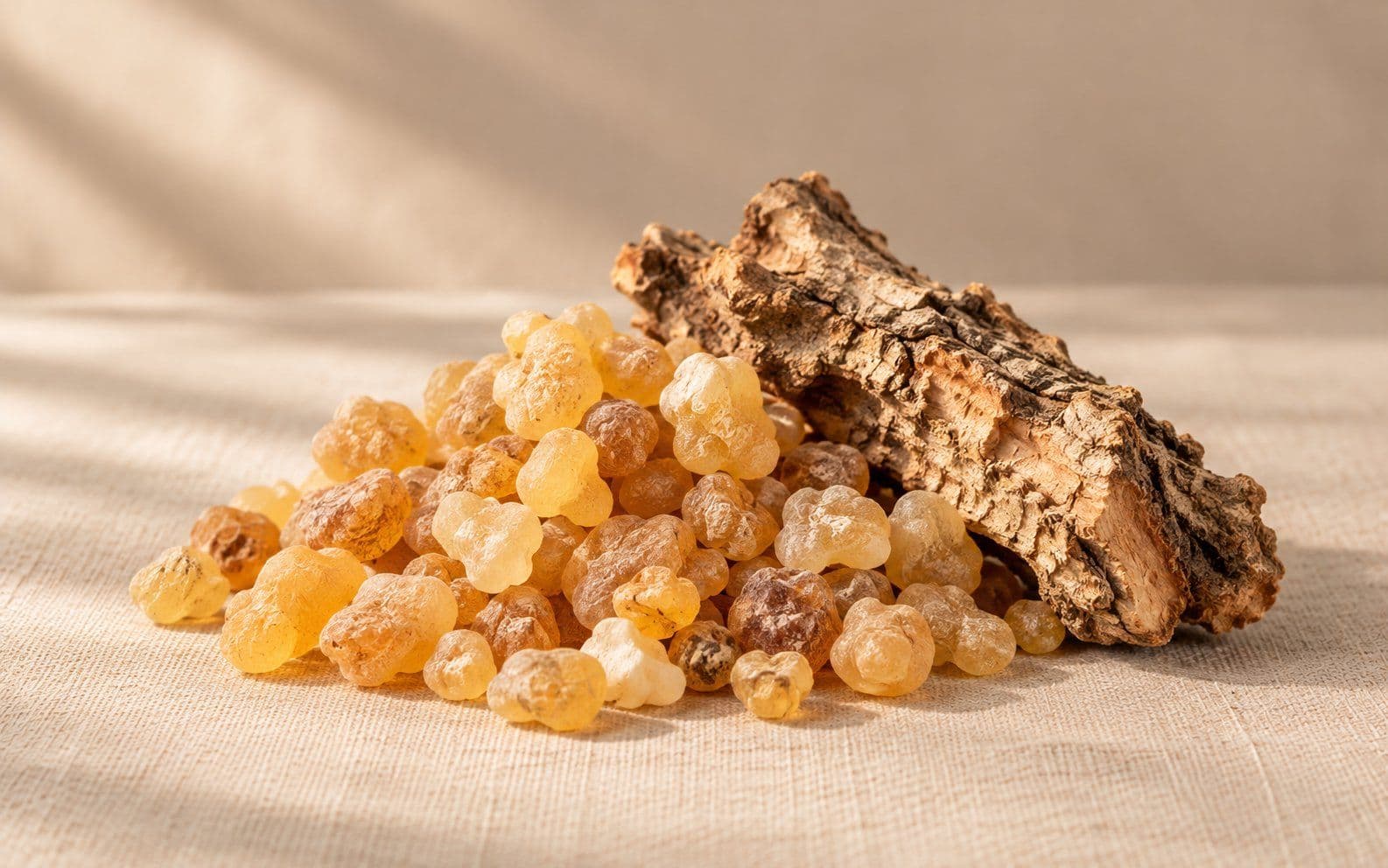
The most-cited frankincense study is real, interesting — and done in mice, on an isolated compound. We'd rather show you the ceiling ourselves.
3 min read · 8 October 2026
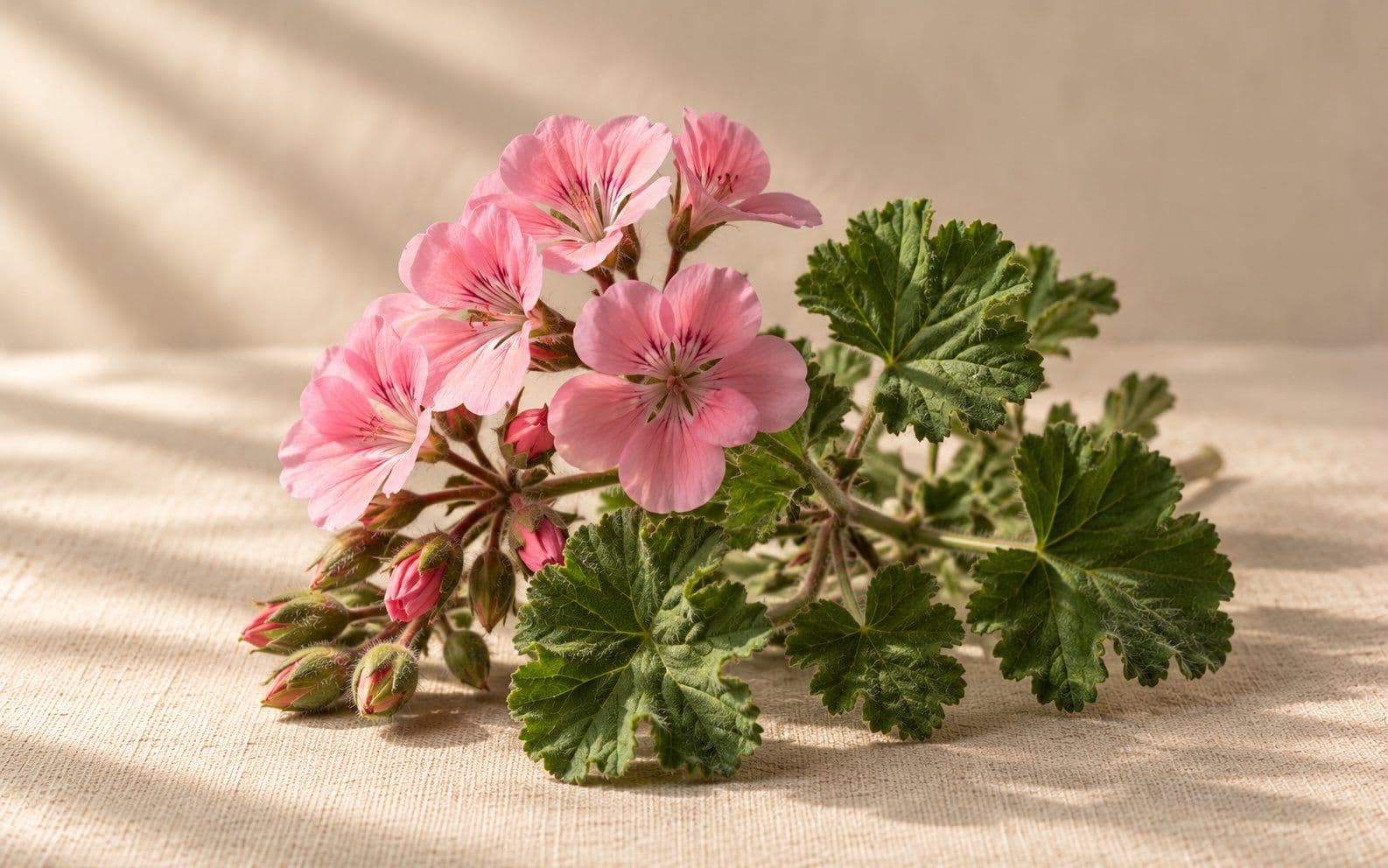
The least-studied of our oils, so the shortest summary by design — one clean trial, and no stretching it further than it goes.
3 min read · 8 October 2026

The lavender sleep literature is the most replicated body of research in clinical aromatherapy. This creates an expectation problem: because so many trials show consistent effects, the reasoning sounds cleaner than it is.
5 min read · 21 May 2026
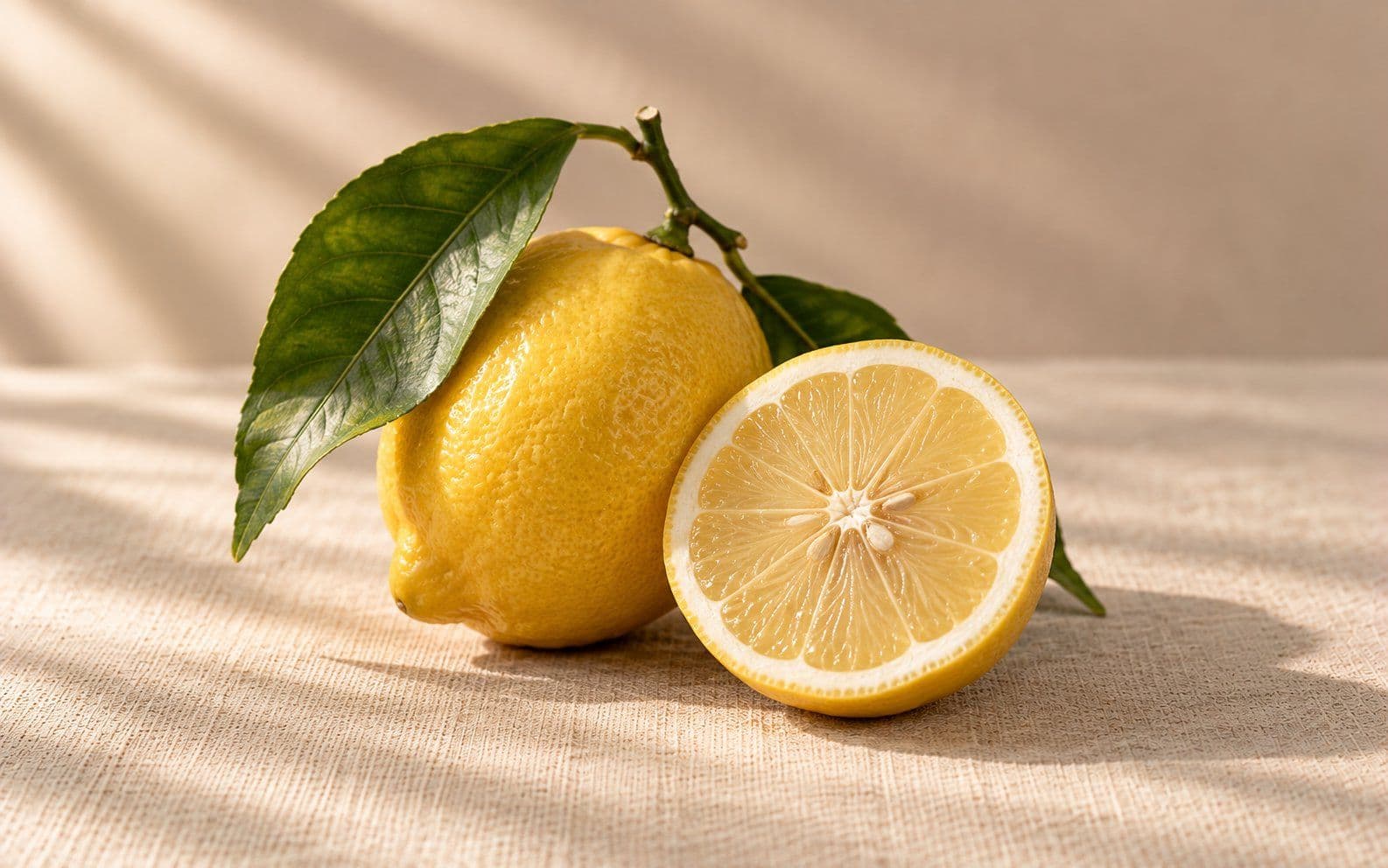
Lemon is the brightest note in the Morning candle — and one of the better-studied citrus oils for mood and alertness. What a systematic review can, and can't, tell you.
3 min read · 8 October 2026
Bibliography
Every study cited in the Journal, with plain-language summaries and direct links to the original papers.
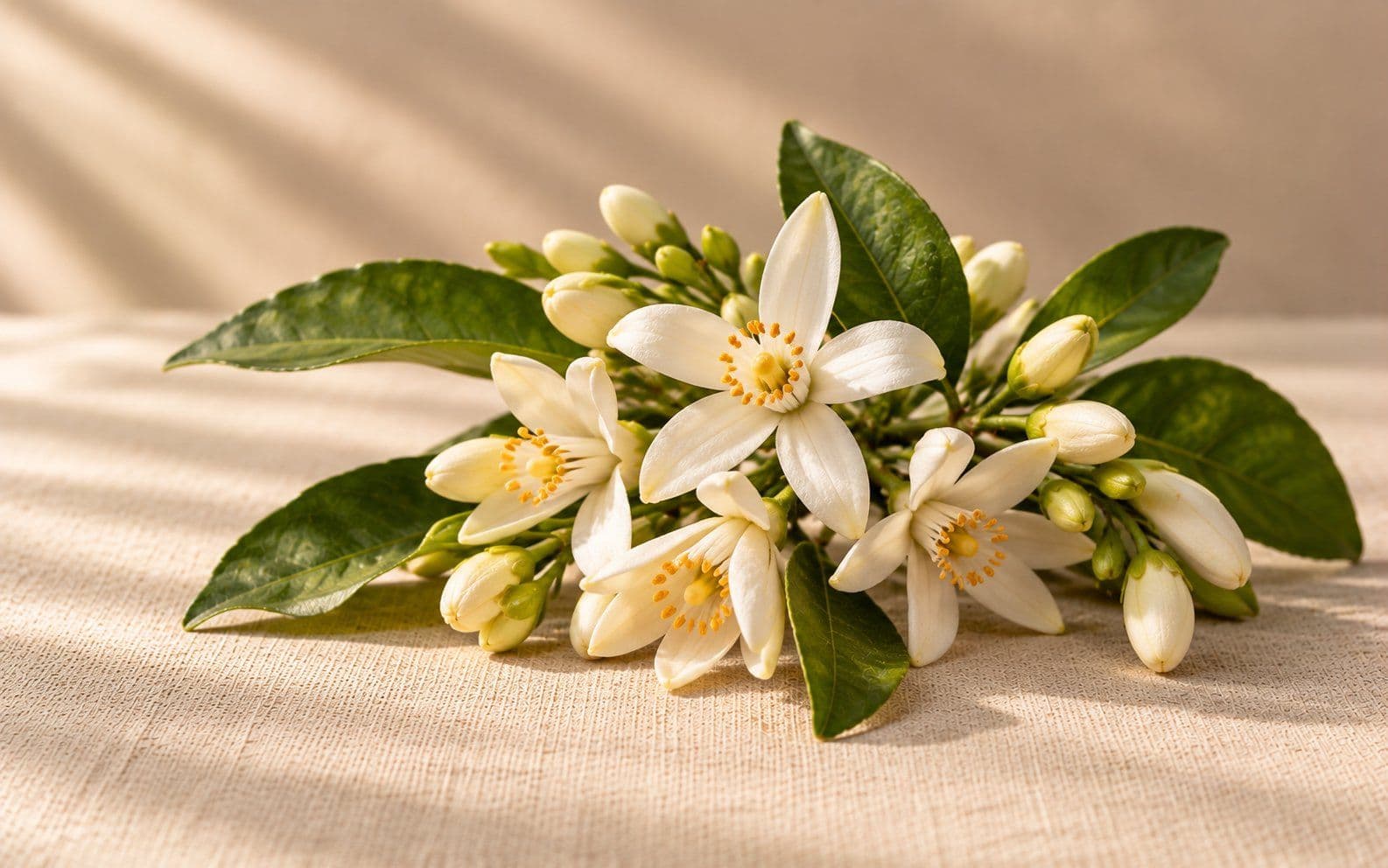
The blossom of the bitter orange has a better evidence base than its delicacy suggests — objective blood-pressure findings, carefully read.
4 min read · 8 October 2026
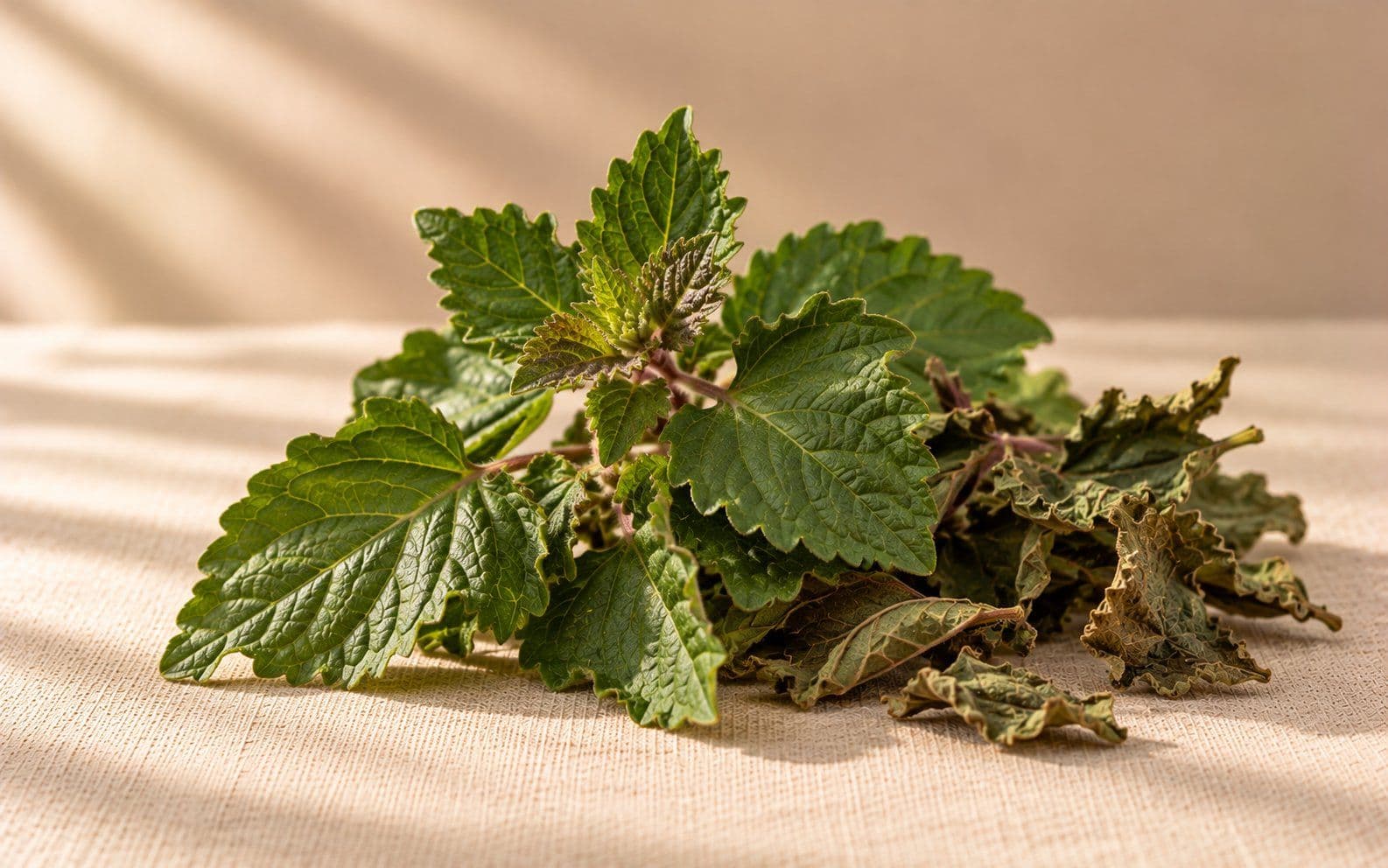
Unusually for such a heavy note, patchouli has a plausible calming signal in the research — plus a sourcing story we keep separate from the science.
4 min read · 8 October 2026
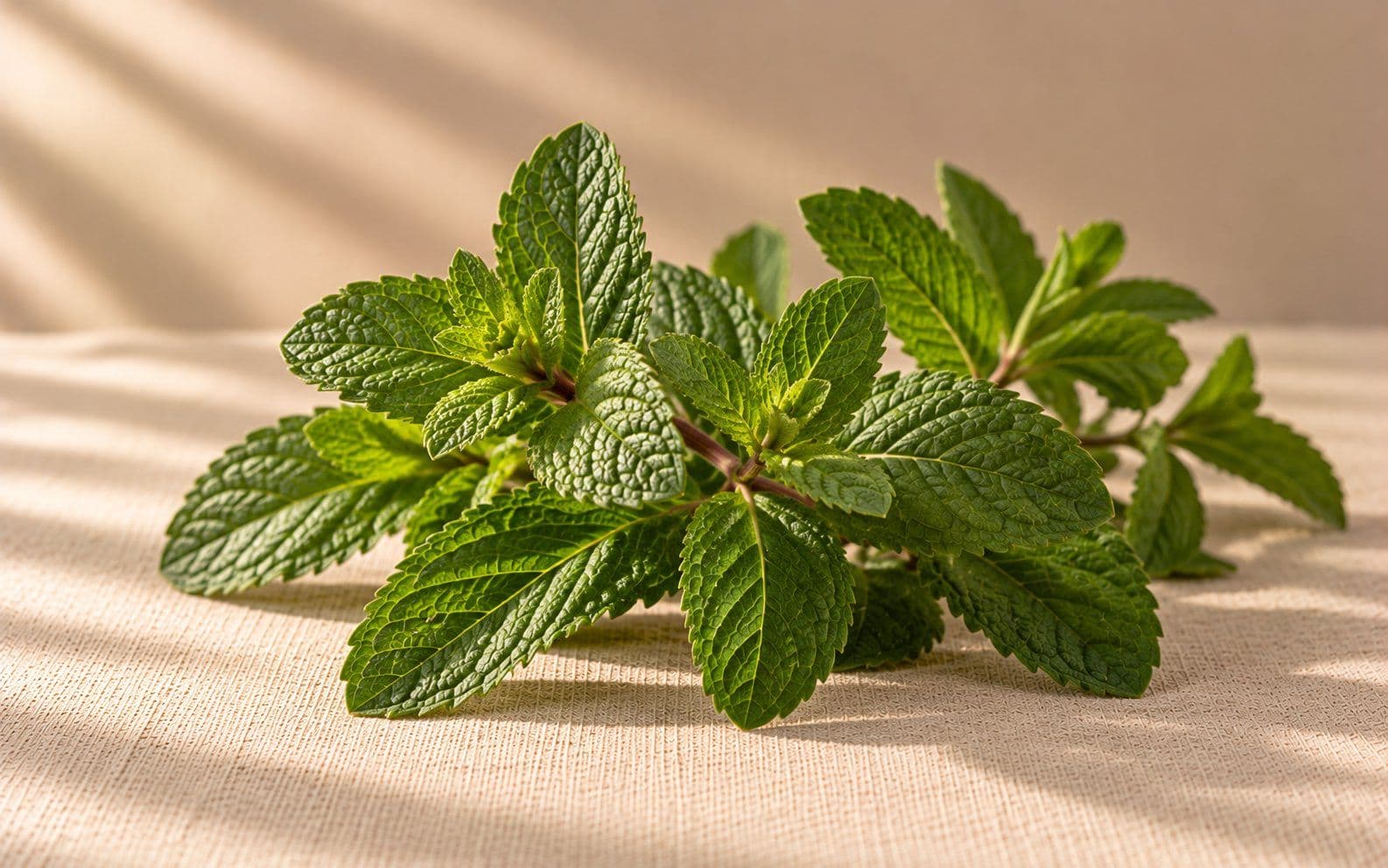
Two reasonable pieces of human evidence sit behind peppermint — and the honest ceiling is “feels more awake,” not “improves cognition.”
3 min read · 8 October 2026
A note on restraint
Complexity reads as luxury. We went the other way — a range built around a day, and a short list of oils you can actually name.
6 min read · 8 October 2026
Bibliography
Every study cited in the Journal, with plain-language summaries and direct links to the original papers.
Craft
Essential oil candles cost more because the oils and the wax are themselves costlier to source than synthetic fragrance and paraffin or soy — nothing is substituted in to bring the price down.
6 min read · 20 October 2026
Scent Science
A quiet scent usually means a candle is made with essential oils, not synthetic fragrance oils. Here's why that's a choice, not a fault — and how to notice it properly.
5 min read · 20 October 2026

A note on language
We avoid the word because of what it promises, not what it means. The science behind why aromatherapy is harder to defend than it sounds.
5 min read · 17 May 2026